
Shin splints are a common running and sporting injury that causes pain along the front or inside of the shin bone.
They’re especially common in runners, footballers, dancers, and people who have recently increased their training or activity levels.
The medical term is “medial tibial stress syndrome” (MTSS), which basically means the muscles and tissues attached to the shin bone become overloaded and irritated.
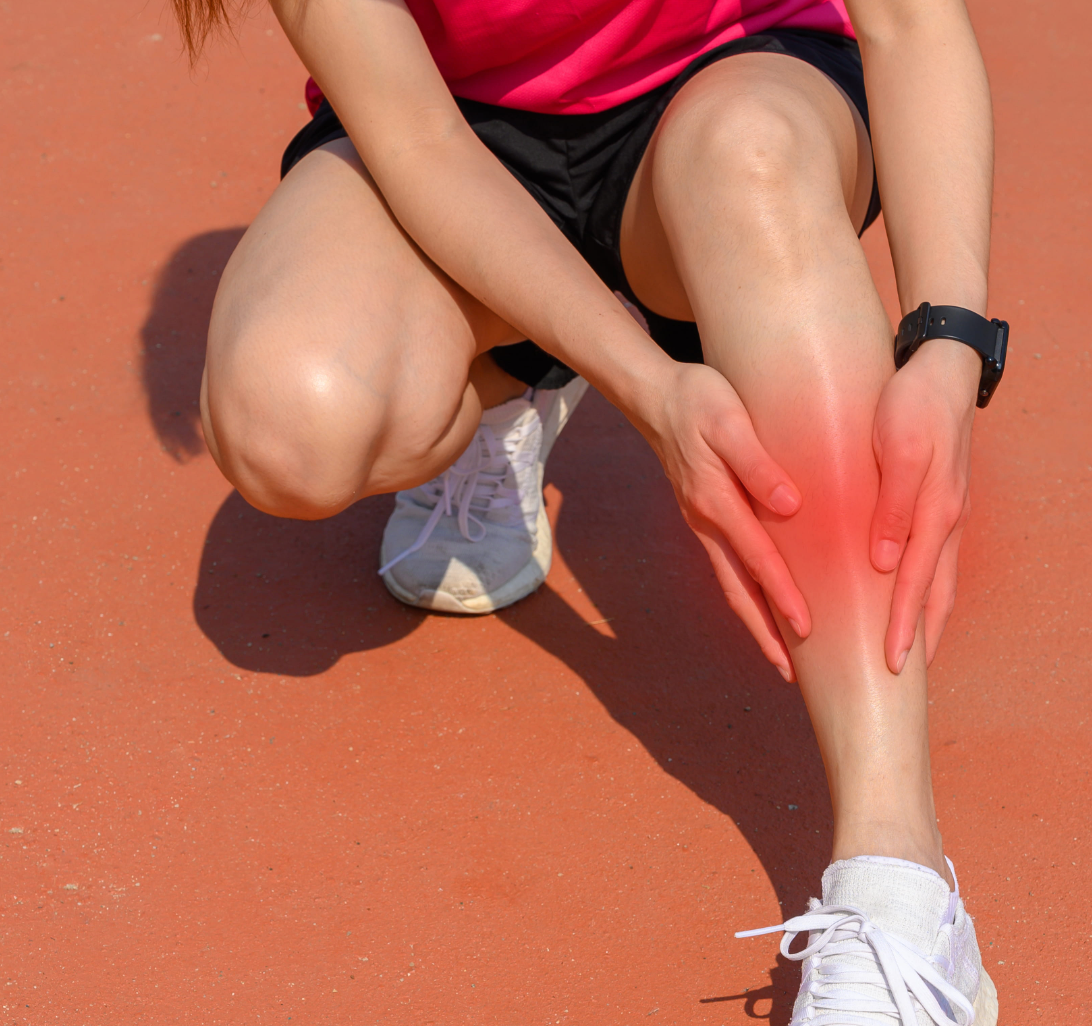
What it feels like:
Pain or tenderness along the inside of the shin
An ache that starts during or after exercise
Tight or sore calves
Pain when running, jumping, or sometimes even walking
Symptoms that can gradually worsen over time
Common triggers:
🏃 Increasing running distance or intensity too quickly
👟 Worn-out shoes or changes in footwear
🦵 Tight or weak calf muscles
🛣️ Running on harder surfaces
⏳ Not enough recovery between training sessions
How physiotherapy can help:
At the clinic, treatment is focused on settling symptoms while improving the strength and capacity of the lower leg to handle load again safely.
Your physio may help with:
✔️ Identifying contributing factors to the injury
✔️ Improving calf and lower limb strength
✔️ Addressing ankle mobility and movement patterns
✔️ Building running loads back up gradually
✔️ Reducing the risk of recurrence
We also guide you through an appropriate return-to-running or sport plan, so you can stay active without continually flaring things up.
Goal:
👉 Reduce pain, improve strength and loading tolerance, and help you return to running and sport with confidence.
If shin pain has been limiting your running, training, or sport, come see us at the clinic — we’ll help get you back to doing what you love as soon as possible.
References:
Moen, M. H., Tol, J. L., Weir, A., Steunebrink, M., & De Winter, T. C. (2009). Medial tibial stress syndrome: A critical review. Sports Medicine, 39(7), 523–546. https://doi.org/10.2165/00007256-200939070-00002
Newman, P., Witchalls, J., Waddington, G., & Adams, R. (2013). Risk factors associated with medial tibial stress syndrome in runners: A systematic review and meta-analysis. Open Access Journal of Sports Medicine, 4, 229–241. https://doi.org/10.2147/OAJSM.S39331
Winters, M., Moen, M. H., Zimmermann, W. O., Bakker, E. W., & Weir, A. (2018). Medial tibial stress syndrome can be diagnosed reliably using history and physical examination. British Journal of Sports Medicine, 52(19), 1267–1272. https://doi.org/10.1136/bjsports-2017-097875
Yates, B., & White, S. (2004). The incidence and risk factors in the development of medial tibial stress syndrome among naval recruits. The American Journal of Sports Medicine, 32(3), 772–780. https://doi.org/10.1177/0363546503258776
