
Whether you're a footballer, runner, CrossFit enthusiast, golfer or weekend warrior, acute back pain can be frustrating and disruptive. One awkward lift in the gym, an awkward tackle, or even repetitive training loads can leave you struggling to train, compete, or even get comfortable at work.
The good news is that most episodes of acute low back pain improve significantly within the first few weeks, especially when managed appropriately. Early assessment by a physiotherapist can help identify the source of your pain, rule out more serious injuries, and guide a safe return to sport.
Why Does Back Pain Occur in Athletes?
Athletes place significant demands on their spine. While the back is incredibly strong and resilient, rapid increases in training load, fatigue, poor recovery, or unexpected movements can overload muscles, joints, ligaments or discs.
Common causes of acute back pain include:
Muscle or ligament strains
Facet joint irritation
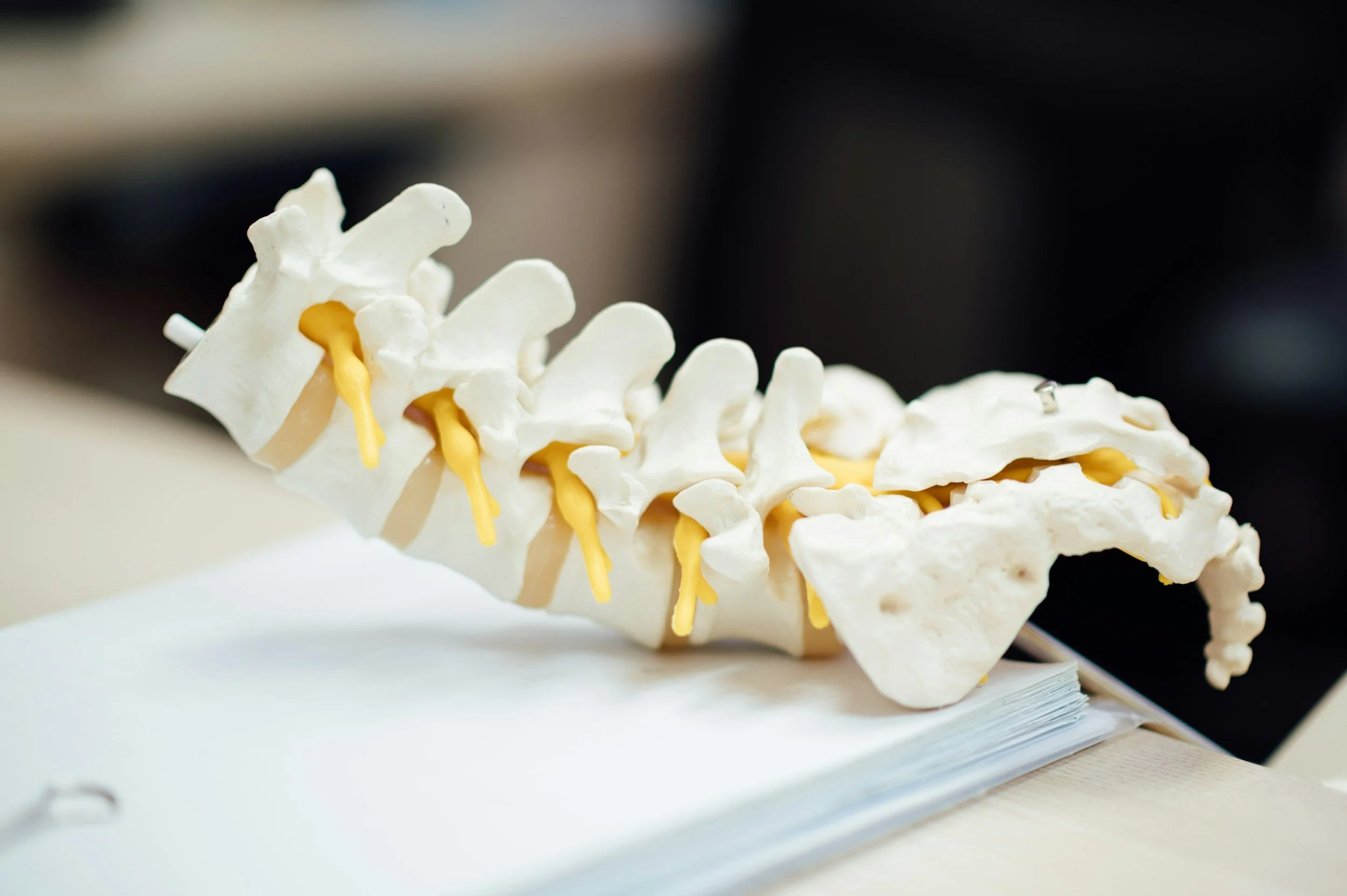
Lumbar disc irritation
Poor movement control under fatigue
Rapid increases in training or competition load
Repetitive twisting or extension movements
In younger athletes, stress injuries to the spine (such as pars stress fractures) may also need to be considered, particularly if pain develops gradually and worsens with extension activities.
Should You Rest?
Years ago, complete bed rest was commonly recommended for back pain. We now know this isn't the best approach.
Current evidence suggests that remaining as active as symptoms allow leads to better recovery than prolonged rest. This doesn't mean pushing through severe pain, but rather modifying activities while gradually returning to normal movement. Remaining active can reduce pain, improve function and help athletes return to sport sooner.
How Physiotherapy Can Help
Every episode of back pain is different, which is why an accurate assessment is essential.
At our clinic, treatment is tailored to the individual and may include:
Manual Therapy
Hands-on techniques such as joint mobilisation and soft tissue massage can help reduce pain, improve movement and decrease muscle guarding, allowing athletes to move more comfortably.
Sports Massage & Soft Tissue Therapy
Muscles surrounding the spine often become tight and protective after injury. Targeted soft tissue techniques can reduce muscle tension and improve mobility while rehabilitation progresses.
Cupping Therapy
Cupping has become increasingly popular among athletes, with many reporting temporary relief of muscle tightness and pain.
During treatment, suction cups are placed on the skin to create negative pressure, which may help reduce muscle tension and improve local blood flow. While current research suggests cupping may provide short-term pain relief for some people, the overall quality of evidence remains limited. For this reason, we use cupping as one component of a comprehensive rehabilitation program rather than a standalone treatment.
Exercise Rehabilitation
Exercise remains the cornerstone of recovery.
Depending on your injury, rehabilitation may include:
Mobility exercises
Core and trunk strengthening
Hip and glute strengthening
Running or lifting technique modification
Sport-specific loading
Return-to-sport progressions
The goal isn't simply to reduce pain—it's to restore confidence, strength and resilience so you're less likely to experience the same problem again.
When Should You Seek Assessment?
While most acute back pain settles well, you should arrange an assessment if:
Pain persists for more than a few days without improvement.
You're unable to train or work normally.
Pain repeatedly returns during sport.
Pain radiates into your leg with numbness or weakness.
You experience significant pain following trauma.
You have night pain, unexplained weight loss, fever, or changes to bladder or bowel function, which require urgent medical assessment.
Returning to Sport
Returning too early is one of the biggest reasons athletes experience recurring back pain.
Before returning to full training, we aim to ensure you can:
Move through full ranges of motion comfortably.
Restore strength and control.
Tolerate sport-specific movements such as sprinting, jumping, lifting or twisting.
Gradually rebuild training loads without symptom flare-ups.
A structured return-to-sport plan helps reduce the risk of reinjury while getting you back to doing what you enjoy.
The Bottom Line
Acute back pain doesn't always mean you've suffered a serious injury. In most cases, early assessment, staying active, and following an individualised rehabilitation program lead to excellent outcomes.
At our clinic, we combine thorough assessment with evidence-based rehabilitation, manual therapy, sports massage and adjunctive treatments such as cupping when appropriate. Our focus is not only getting you out of pain, but helping you return stronger, more confident and ready for your next training session or competition.
References
Australian Commission on Safety and Quality in Health Care. Low Back Pain Clinical Care Standard (2022).
George SZ, Fritz JM, Silfies SP, et al. Interventions for the Management of Acute and Chronic Low Back Pain: Revision 2021 Clinical Practice Guideline. Journal of Orthopaedic & Sports Physical Therapy. 2021;51(11).
National Center for Complementary and Integrative Health. Low-Back Pain and Complementary Health Approaches: What You Need to Know.
