
Knee pain is one of the most common problems experienced by runners. It can develop gradually, appear after increasing your training, or sometimes come on without an obvious injury.
The good news is that knee pain doesn't always mean you need to stop running completely. Understanding what may be contributing to your symptoms is an important first step.
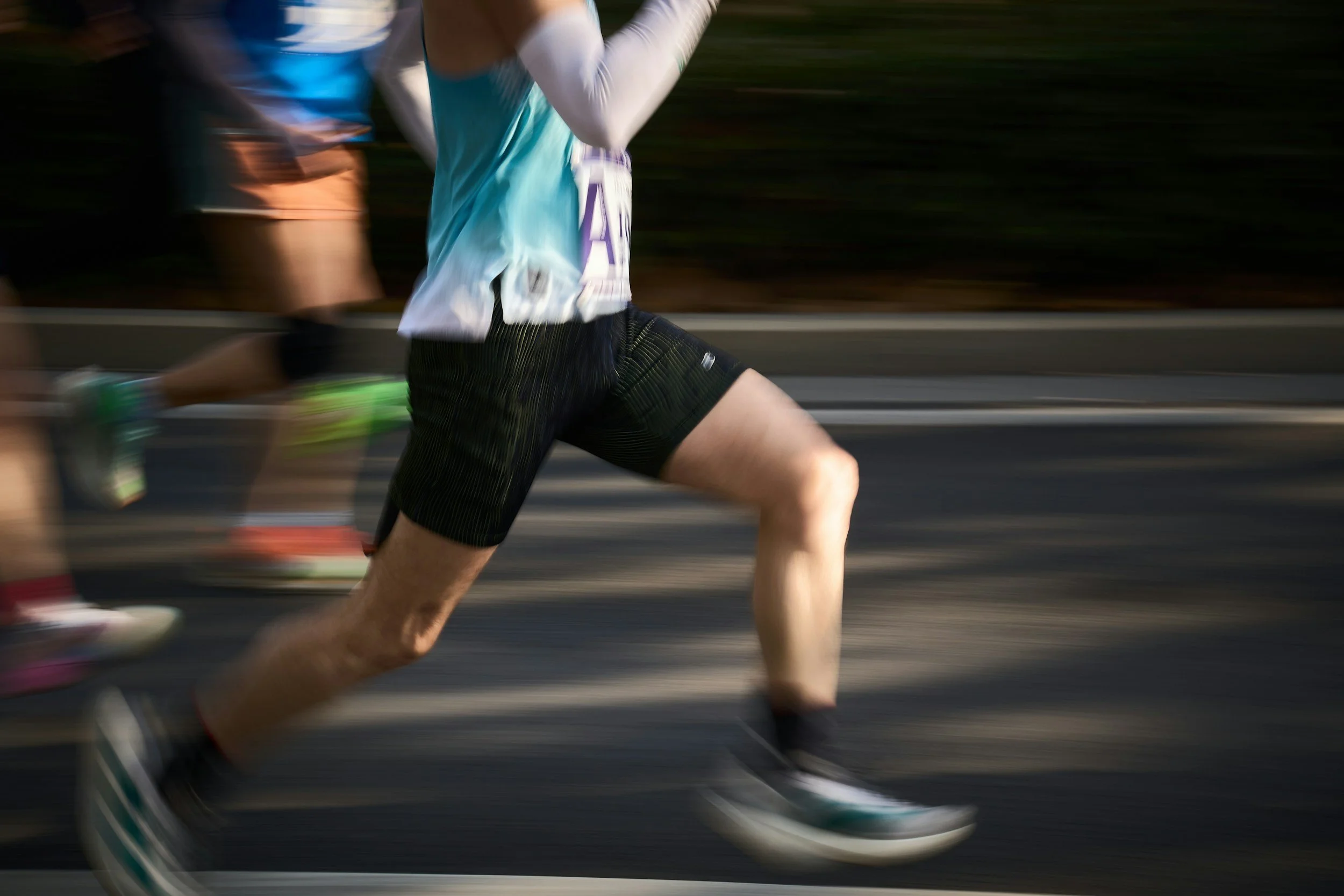
Common causes of knee pain when running
Patellofemoral pain
Pain around or behind the kneecap is commonly associated with patellofemoral pain. It can be aggravated by running, stairs, squatting or prolonged sitting.
Changes in training load, strength, running tolerance and the way the knee is being loaded can all contribute.
Patellar tendon pain
Pain at the front of the knee, particularly just below the kneecap, can be related to the patellar tendon. It is often aggravated by activities involving repeated jumping, running or high levels of force through the knee.
ITB-related pain
Pain on the outside of the knee that develops during running can sometimes be associated with irritation of tissues around the iliotibial band. It is often related to changes in running volume, hills, speed or other training factors.
Muscle or training-load related pain
Sometimes the cause isn't a specific injury. A sudden increase in running distance, speed, hills or frequency can exceed the capacity of the muscles and joints to handle the load.
This is particularly common when returning to running after a break or injury.
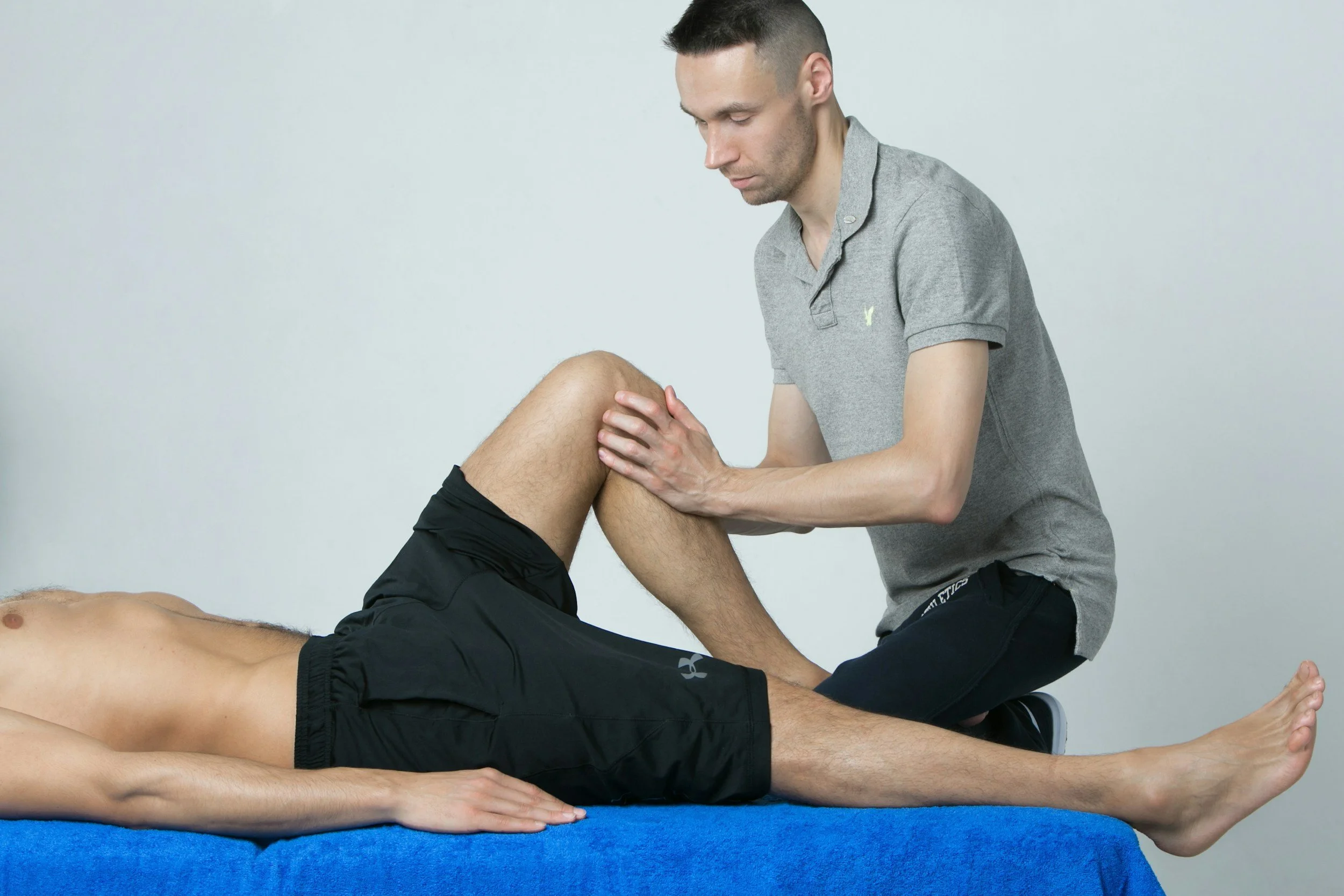
Do you need to stop running?
Not necessarily.
For many running-related injuries, completely stopping activity isn't required. Instead, temporarily modifying your running volume, speed or frequency may allow symptoms to settle while maintaining fitness and gradually building your capacity.
A physiotherapist can help determine what level of activity is appropriate and develop a progressive return-to-running plan.
When should you see a physiotherapist?
Consider getting assessed if your knee pain:
Is getting progressively worse
Persists despite reducing your training
Causes swelling or significant stiffness
Changes the way you run
Prevents you from completing normal activities
Keeps returning whenever you increase your running
A thorough assessment can help identify the likely contributors to your pain and guide an appropriate rehabilitation program.
Knee pain doesn't always mean you need to stop running. The right diagnosis, load management and strengthening program can often help you return to running confidently and safely.
